

45. Shopkeeper Secrets: Chicago
Jamie Hayes of Production Mode dishes on Windy City ethical fashion, museums, and more with help from local clothing designer Kristin Mariani.

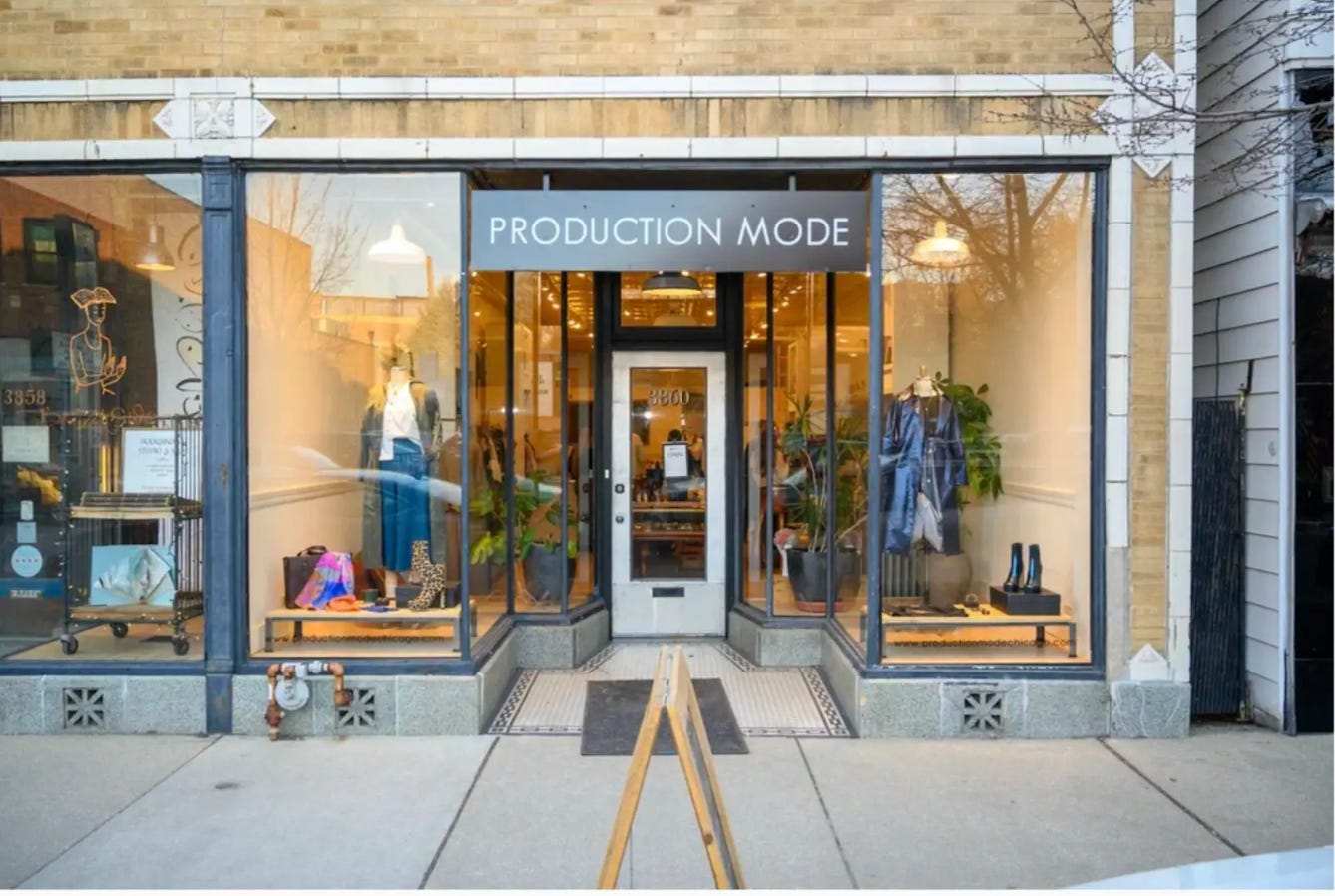
Chicago, Illinois gets lots of cred as a food and architecture town. That same delicious creativity also powers the fashion scene, particularly when it comes to ethical, sustainable style. One of its stars is Production Mode, a boutique and atelier on the city’s hip North Side. It was founded by designer and DJ Jamie Hayes in 2015 as what she calls “an alternative to the traditional fashion system.”
Hayes works with local artists and fashion designers to stock—and custom craft—pieces that work for years, not just seasons. One frequent collaborator is dressmaker, designer, and artist Kristin Mariani of RedShift. I spoke with them both about where to shop, museum hop, and eat in the Windy City. Meet them IRL at October 16, 6-9 p.m. at a cocktail party and styling session at Production Mode during Chicago Fashion Week.
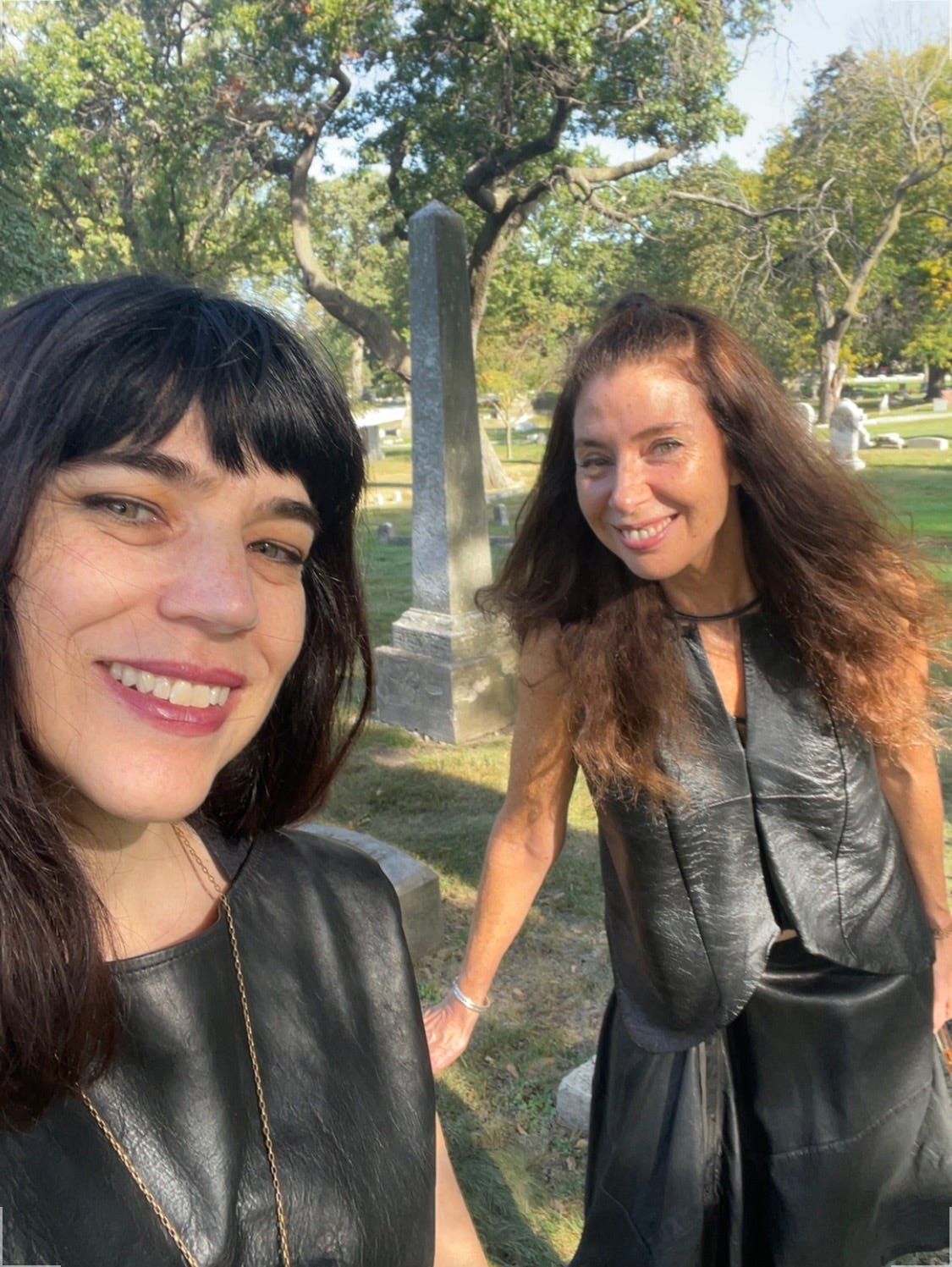
Who are you, and what’s your passion?
Jamie Hayes: I’m a fashion designer and DJ–not surprisingly, textiles and dancing are my passions!
Kristin Mariani: I’m a dressmaker, designer, and artist. I’ve created sustainable fashion for over 20 years for RedShift—my line of contemporary couture created from salvaged materials and found garments.
Tell me more about Production Mode.
JH: Production Mode was founded in 2015. I adore fashion but had seen the ways in which labor and environmental exploitation were the norm. Additionally, I have always been drawn to the ways in which clothing and fashion can be tools of self-expression and open possibilities rather than an ever-changing riddle of rules and hierarchies.
We’ve built the collection on slow fashion principles of collaboration, transparency, and ethical manufacture. We design everything in house and all of our work is cut and sewn in Chicago—often at our atelier/boutique in Chicago’s North Center neighborhood, which opened in 2023.
We also carry the work of other independent, slow-fashion designers, and artists (metalsmiths, leatherworkers, hat makers, etc), most of them Chicago-based. Local fashion designers we carry include Anna Brown, Niczka, and Alex Carter. Plus we offer workshops in mending, natural dyeing, and silk painting.
Production Mode carries your RedShift line, Kristin. What can you tell me about it?
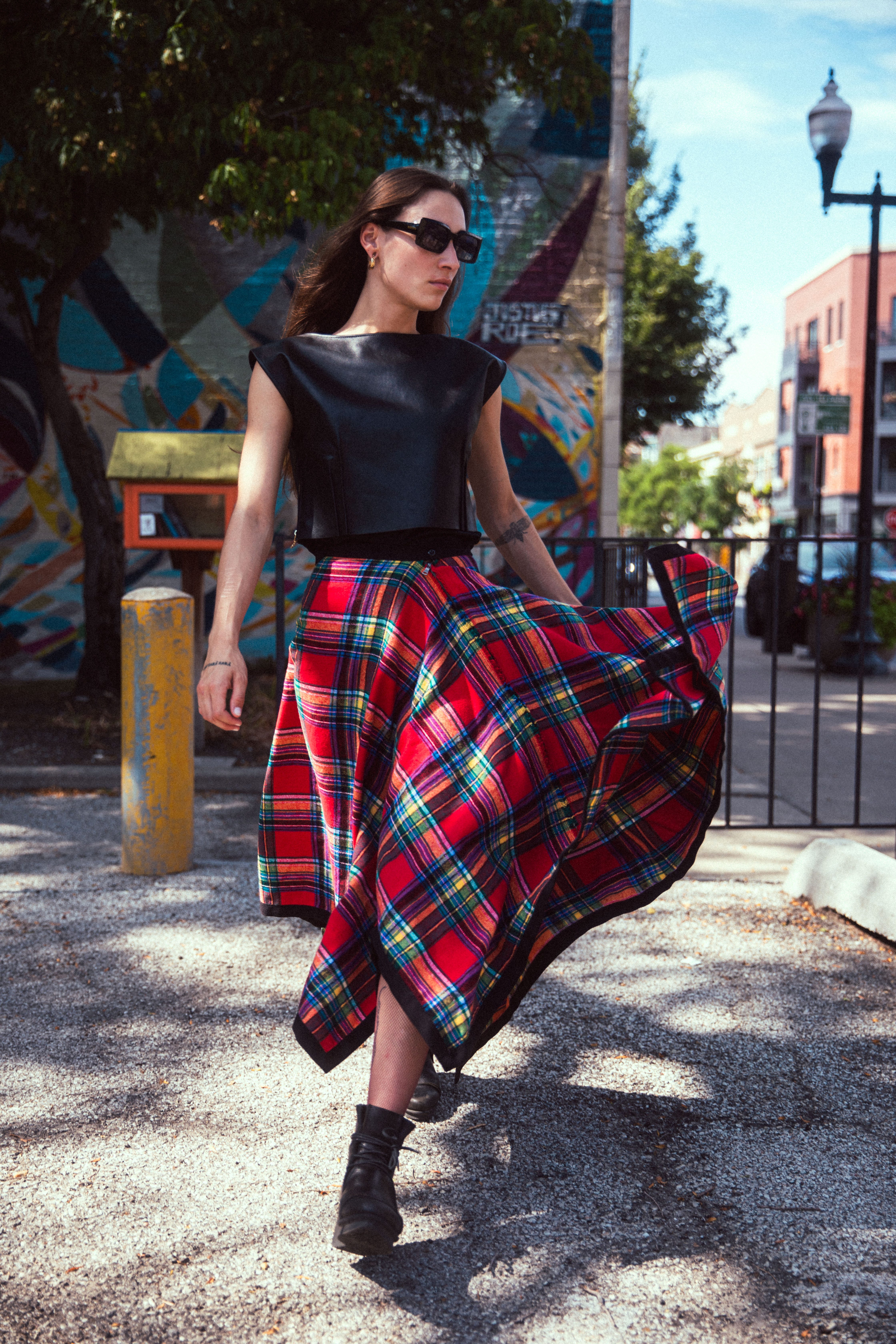
KM: I call RedShift a form of contemporary couture rather than slow fashion. I collect raw materials, scouring thrift stores and rummage sales. I then deconstruct the parts and reconfigure new designs, repurposing leather, wool, and silk remnants.


Besides Kristin, does Production Mode work with other designers?
JH: We’ve worked with artist Paula J. Wilson and Nora Renick-Rinehart who coordinated on items like jackets and bags in printed vegetable-tanned leather from Horween Tannery, the last tannery in Chicago. We’ve also commissioned a collection from Chicago’s The Weaving Mill and created hand-painted silk tops with artist Leslie Baum.
Our newest collaboration is with our longtime production manager, Lucy Leith, whose brand is called Lucydreamsof. She teaches workshops on visible mending and runs her mending company out of our shop.
Do Chicago women have a certain style?
JH: Chicago style is similar to the best parts of our music scene—underground and under-appreciated. Our most fashionable women eschew labels and create their own independent style with a mix of signature pieces, vintage, and independent designers.
How do Chicago women stylishly deal with the cold?
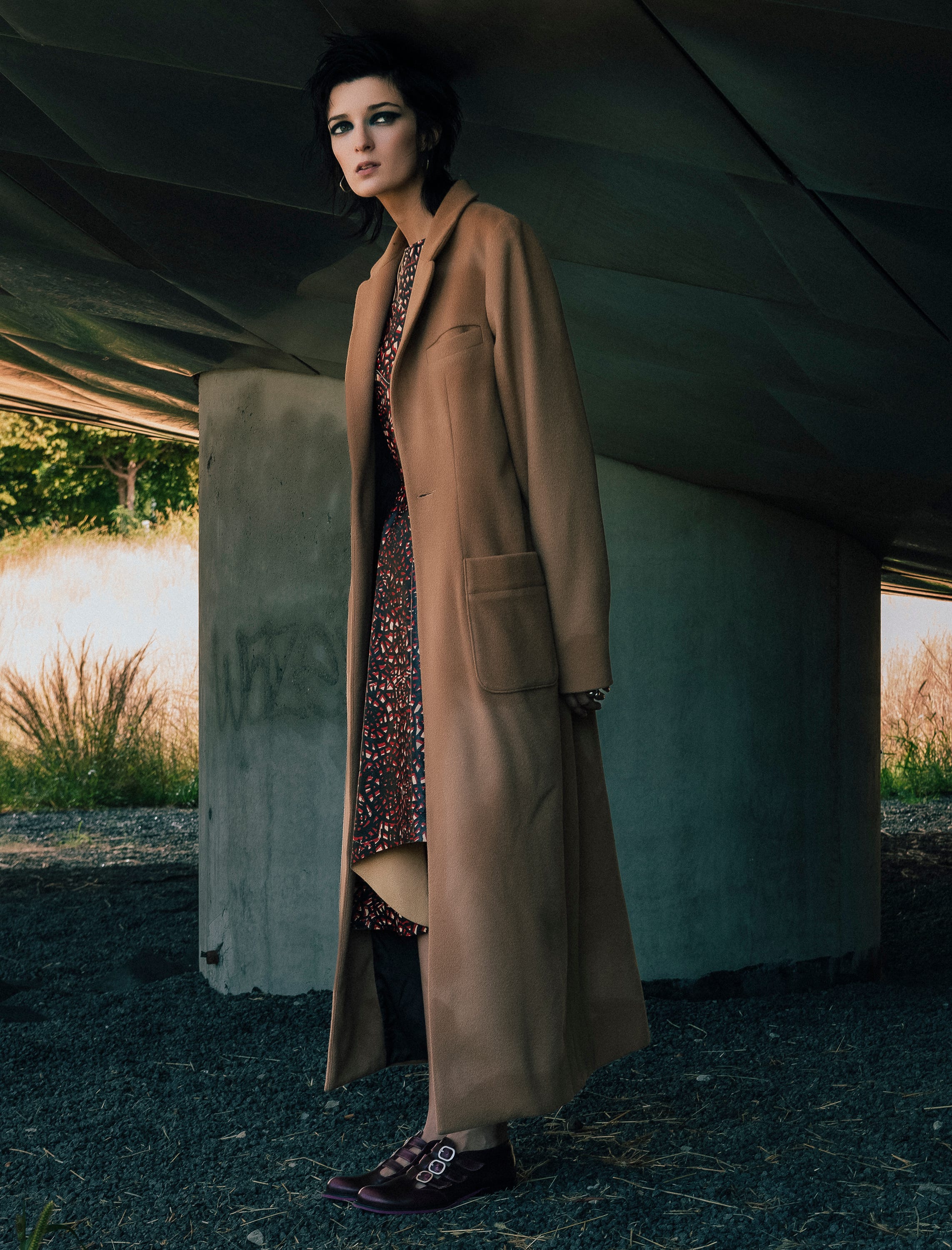
KM: Chicagoans dress in layers, a very important survival technique to stay warm. It’s a long season, so people tend to wear brighter coats with multiple layers underneath and accessorize with funky hats and mittens or unusual scarves.
I study these trends closely when sourcing my materials for RedShift. I consider thrifting to be a form of local anthropology. What has always been common in Chicago thrift stores is an abundance of wool sweaters and black leather coats. I use these materials to create RedShift’s salvaged wool sweaters and recycled leather garments and accessories.
JH: People in Chicago definitely take more color risks in the winter. At Production mode we really focus on fall and winter as a Chicago brand, since you’ll be wearing those for about nine months of the year. It’s harder to sell precious summer clothes.
Where else do you like to shop in North Center?
JH: North Center is right between Lincoln Square and Lincoln Park. Our block of Lincoln Avenue [between Byron and Berenice] is a bit of a maker’s row. Our neighbors include Soutache, a magical store filled with vintage buttons and ribbons, and Bari Zaki Studio for incredible handmade books, bookbinding materials, paper, and writing implements displayed in chromatic splendor.
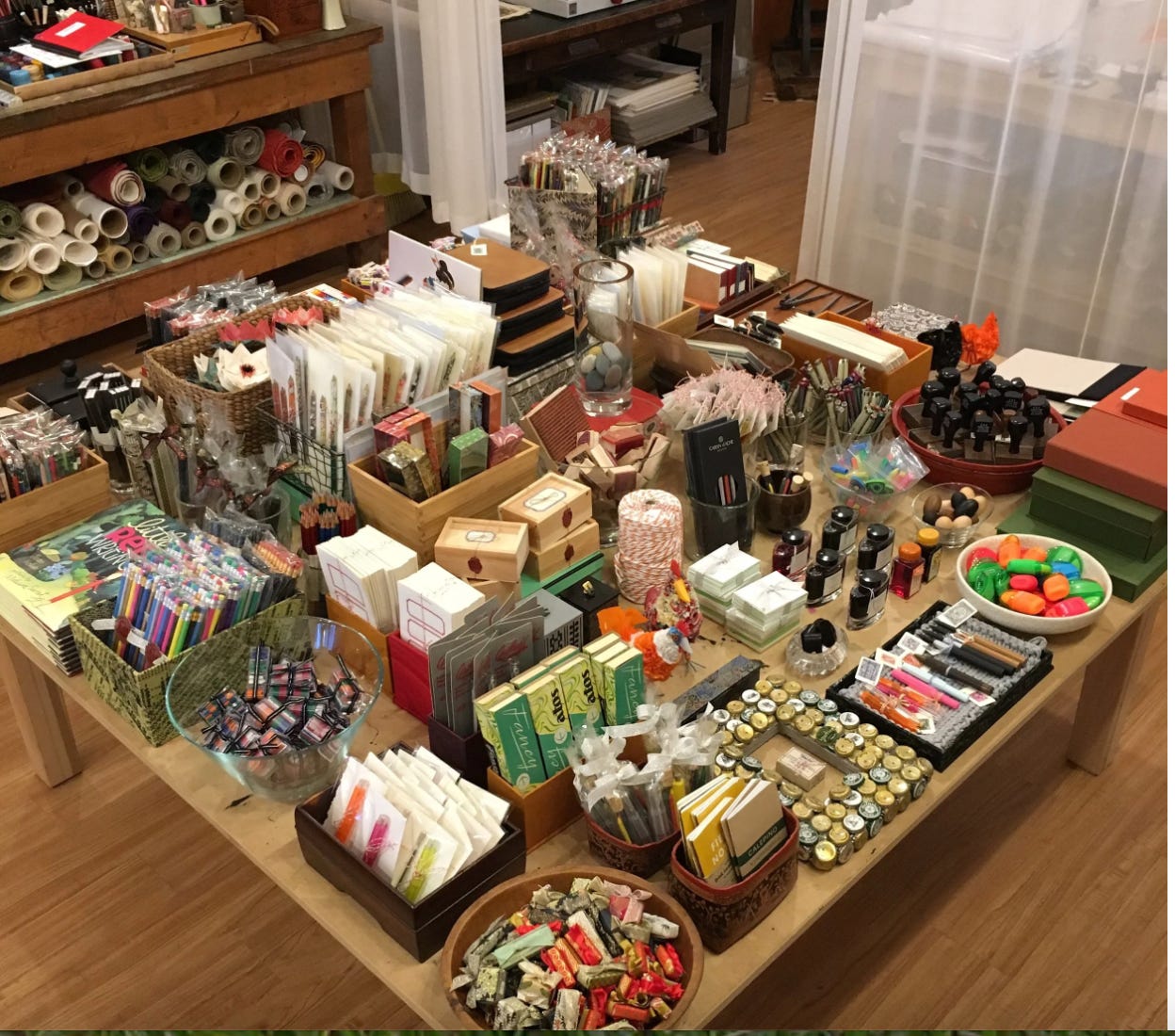
We also have Knit 1, a gem of a shop for knitters, featuring handmade and imported yarns, great classes, and a bumping community knit night. We also love Traipse, about a half-mile north of us, for handmade shoes by brands like Trippen, Cydwoq, and Camper.
Are there any other cool boutiques in other Chicago neighborhoods?
JH: Robin Richman for independent European designers, Misanthrope for gender neutral and menswear, and Moth for Scandinavian and Japanese design including clothing and home goods.
Where can I eat and drink in North Center?
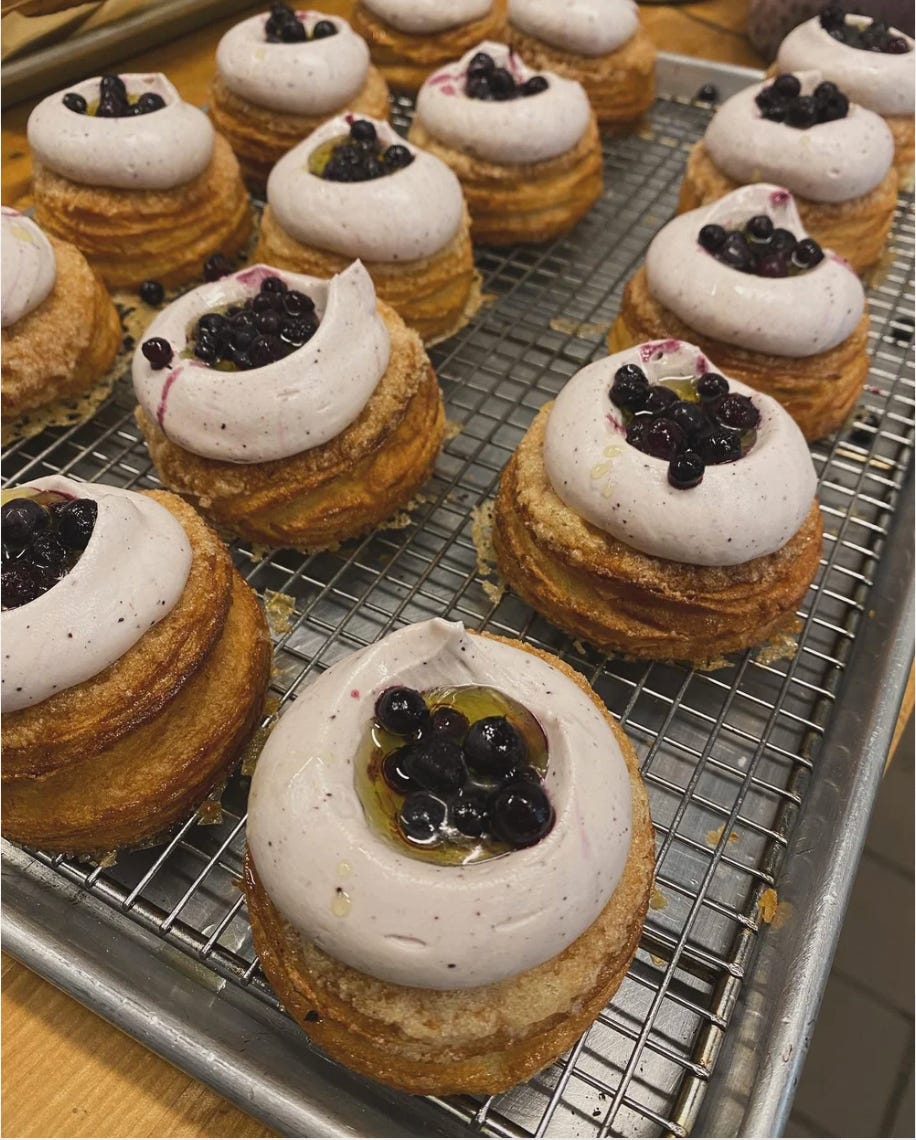
JH: I recommend the mole chocolate croissant or the black sesame canelé at Loba Pastry & Coffee. For drinks, the Victor Bar is a wonderfully intimate space with excellent cocktails and a great playlist. Apero is a casual neighborhood wine bar that’s also great for a snack.
For dinner, my favorite place is Basant, an Indian restaurant that strikes a lovely balance between the familiar and the new. I also like the Warbler for contemporary bistro food and Il Milanese for impeccable northern Italian cuisine.
Chicago is famous for its architecture. How can visitors see it?
KM: There are a number of architectural treasures downtown such as the Monadnock, the Fine Arts Building, or the Chicago Cultural Center. I work in the loop and one of my favorite sights is the Inland Steel Building, which reflects light so beautifully.
The Chicago Architecture Center (CAC) river cruise is exceptional, like getting a backstage pass to the city and how it developed around the river. The CAC also gives tours of Graceland Cemetery near Production Mode, which is spectacular in the fall.
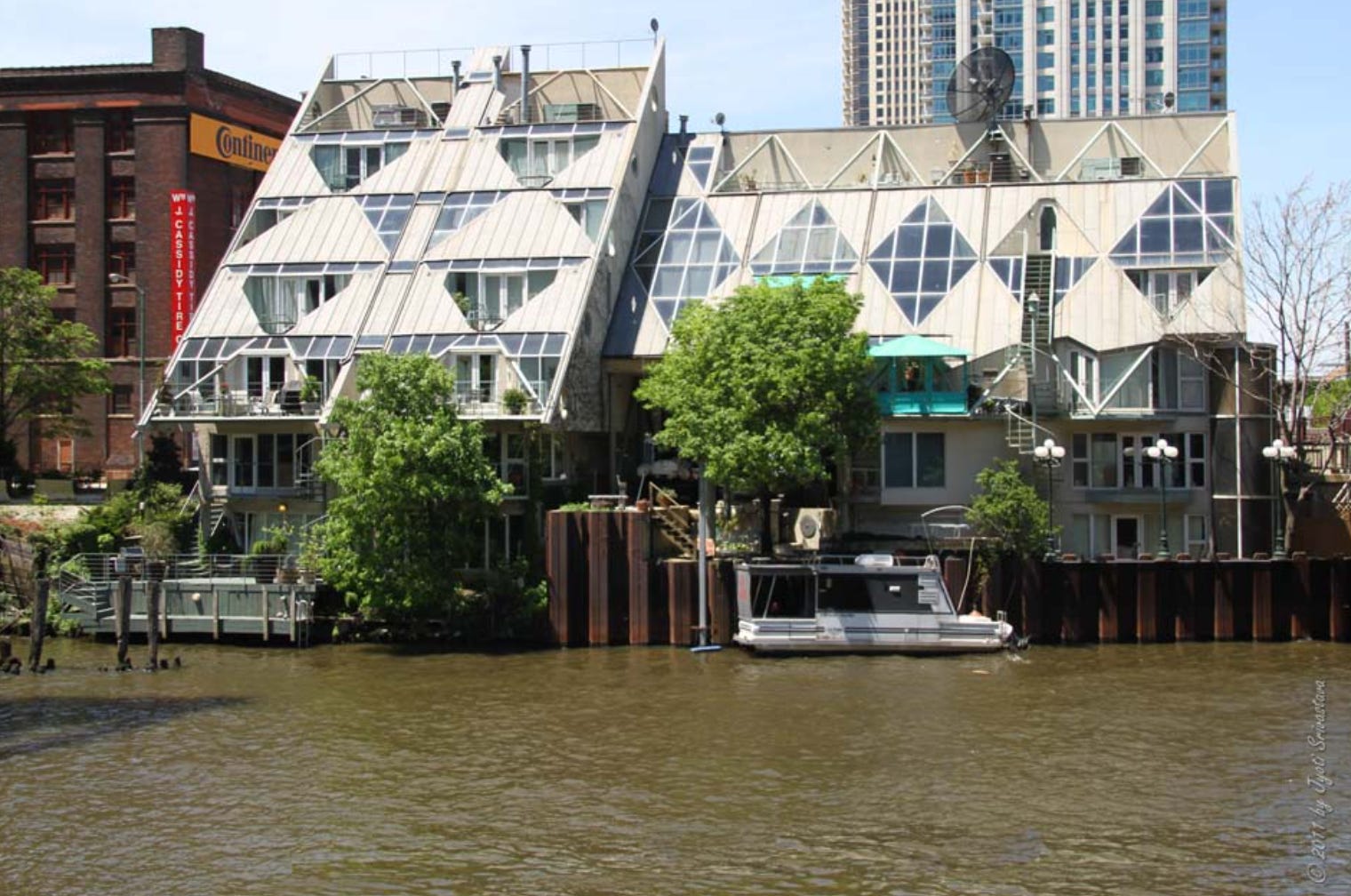
JH: I love the Marina City towers by Bertrand Goldberg and Harry Weese has these wonderful River Cottages. You’ll see them on the cruises.
Any favorite museums in Chicago?
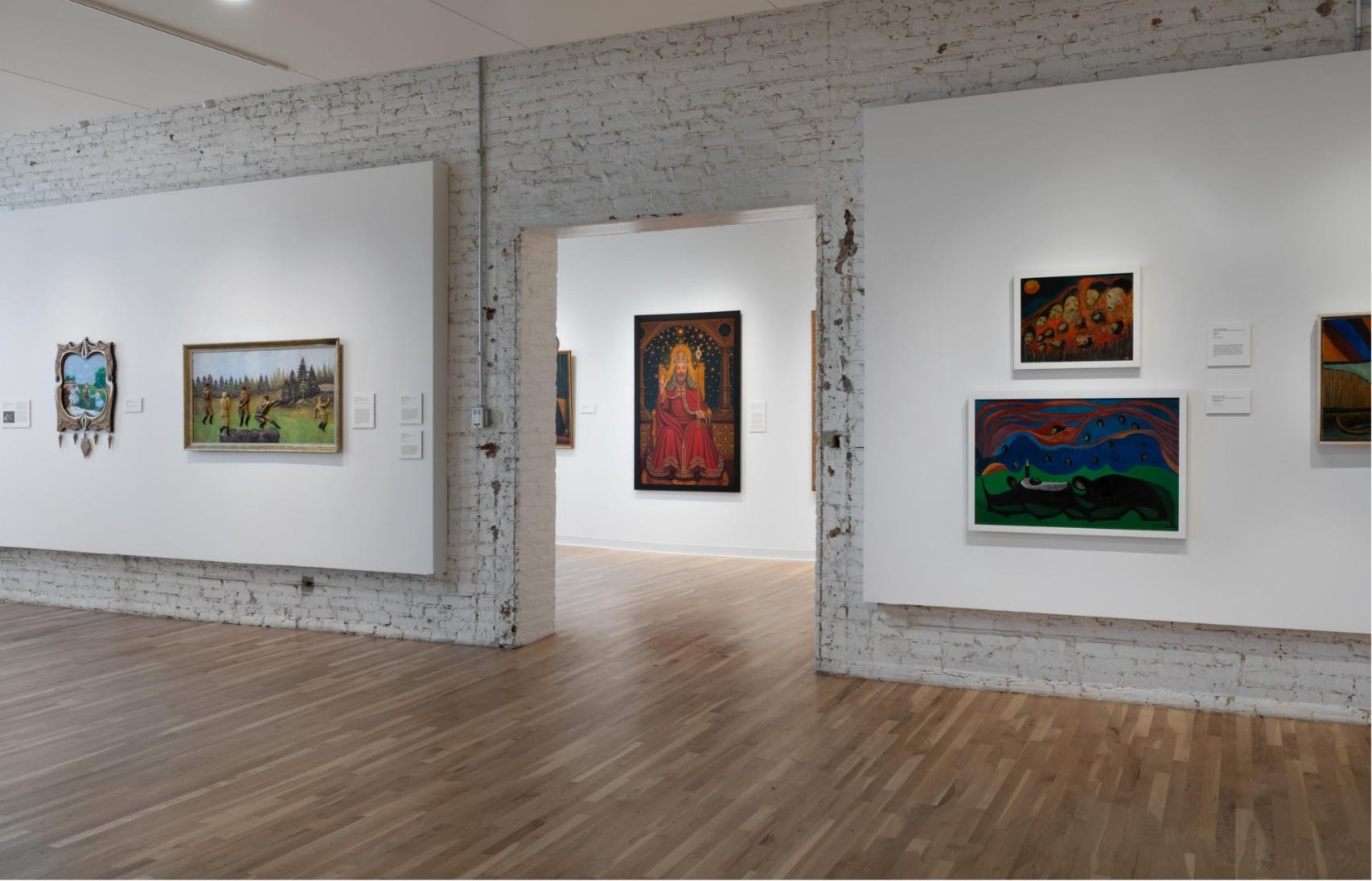
KM: The Intuit Art Museum has an incredible collection of Chicago-based self-taught artists such as Aldobrando “Aldo” Piacenza and Henry Darger. They have a newly renovated, expanded building in West Town with a wonderful facade created by Bob Faust.
JH: The Art Institute of Chicago never disappoints. I always head to the basement, where they put the textiles. It’s usually a small, intimate show. [Currently, the basement is showing On Loss and Absence: Textiles of Mourning and Survival.
What about a good hotel? And which neighborhood should I stay in?
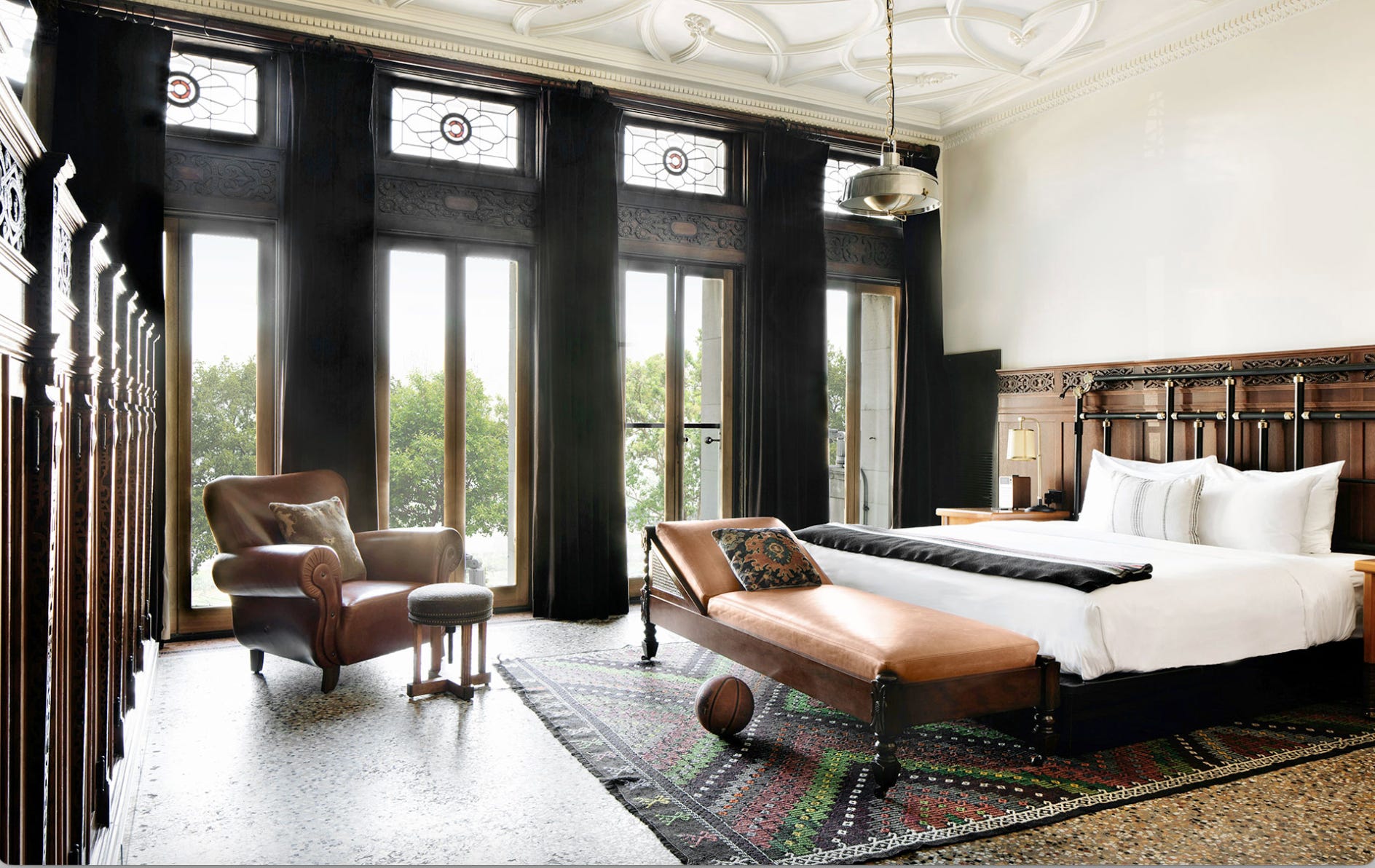
JH: For a downtown hotel experience, the Chicago Athletic Association is well located and the rooms remind me of ship’s cabins—efficient and quaint. It has a great second floor bar with fireplaces. Sometimes I stop there to recharge if I have a long day downtown.
Otherwise, I encourage people to stay in a neighborhood outside of downtown to get a local experience. Logan Square and Pilsen are both dense, walkable neighborhoods with great restaurants, shops, and public transportation.
Thanks for sharing these great recommendations! I highly recommend staying at the Publishing House - it is such a special place! https://www.publishinghousebnb.com/