

55: Just Back from Guatemala
Explore Antigua and Lake Atitlán’s textile markets, colonial architecture, and volcanic peaks with designer Regan Billingsley.

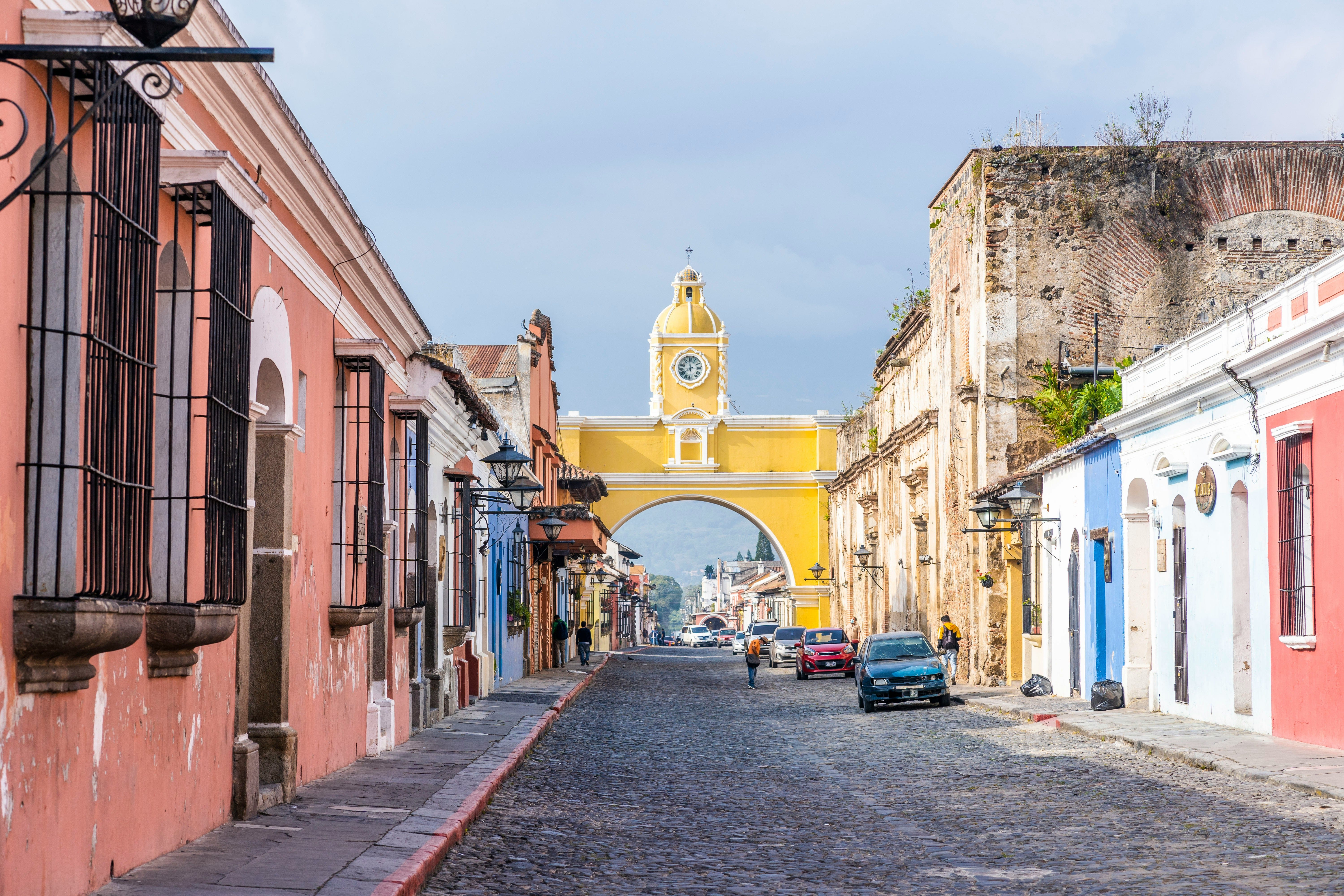
Guatemala is a land of bright textiles, Spanish colonial architecture, and imposing Mayan ruins. Few people know it like Regan Billingsley, a Washington, D.C./Florida interior designer I’ve become pals with after writing about her for The Washington Post and other pubs. Besides decking out clients’ spaces, Billingsley spearheads RB Curated, a luxe line of pillows, bed coverings, and fabric made in Guatemala. She frequently travels around the Central American country working with artisans.
Here, Billingsley pinpoints where to go in the colonial city of Antigua and around Lake Atitlán, two of Guatemala’s top spots for visitors. Read on to find out where she shops, eats, sightsees and hikes in this vibrant country. I’m taking notes since my husband and I head to Guatemala next month!
PS: This story also features two Google Maps with even more of Regan’s fave restaurants, shops, and hotels in Antigua. It’s for paying subscribers. To access them, upgrade your subscription below. Links to maps at the end of this story after the paywall.
Who are you, and what’s your passion?
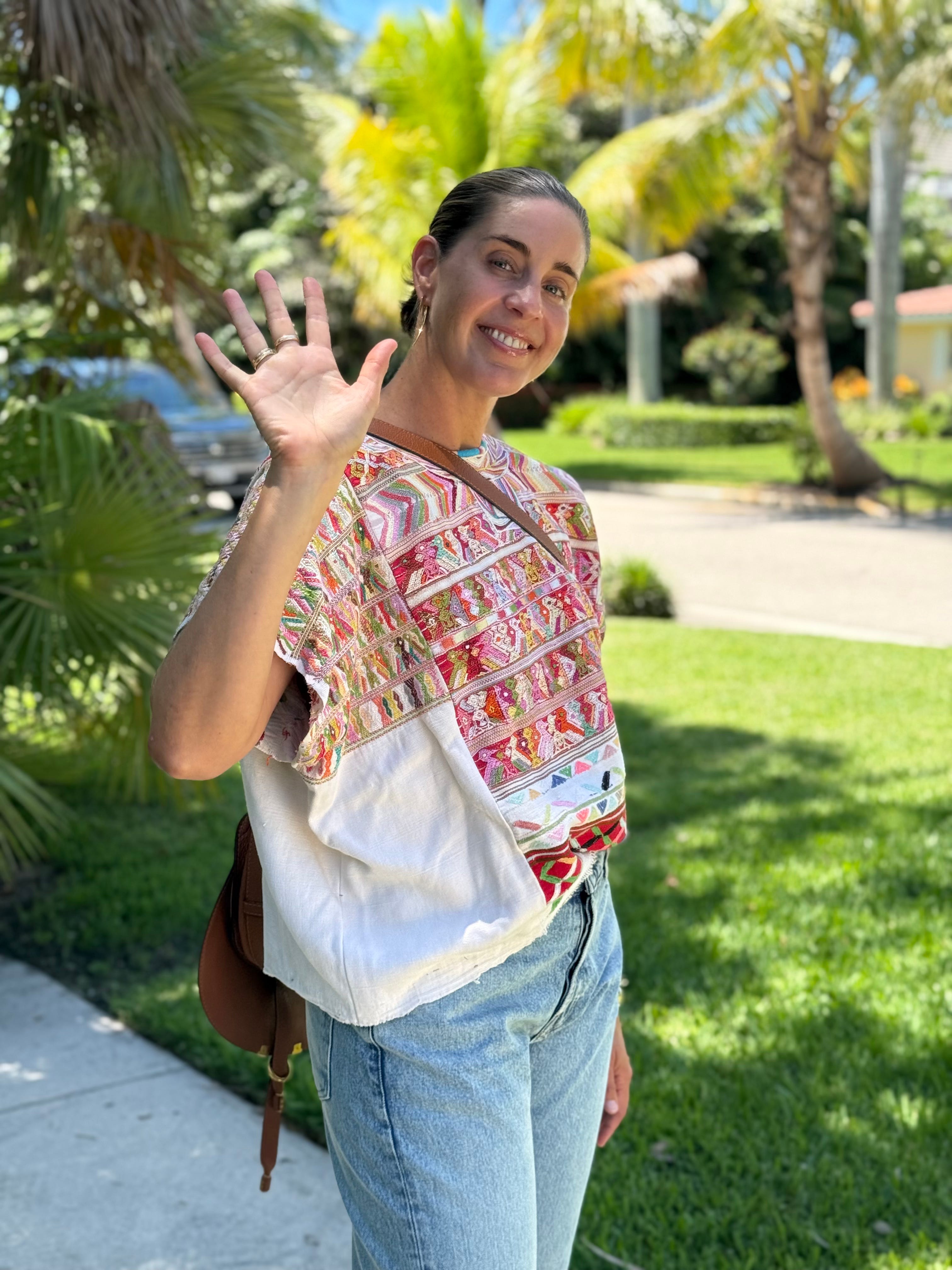
Regan Billingsley: I’m an interior designer and creative entrepreneur whose work sits at the intersection of design, cultural storytelling, and craft. Through my design practice and textile brand, RB Curated, I collaborate closely with master artisans, especially in Guatemala and Mexico, to bring traditionally handwoven textiles into modern spaces in a way that feels ethical, elevated, and lived in.
On a personal level, I’m deeply curious. I’m an endurance open-water swimmer, a traveler, and someone who believes that immersion—whether in water, culture, or creative process—is where transformation happens.
Why do you love Guatemala?
RB: I’m a bit of a textile nerd! The seed was planted in 2007 when my mother and sister traveled to the remote Guatemalan highlands building homes for Habitat for Humanity. Their stories about the people, the culture, and the craftsmanship stayed with me. After a surgery in 2016 left me bedridden for a month, I immersed myself deeply in the history, symbolism, and techniques of Guatemalan textiles. I studied everything I could and planned a trip to learn directly from the source.
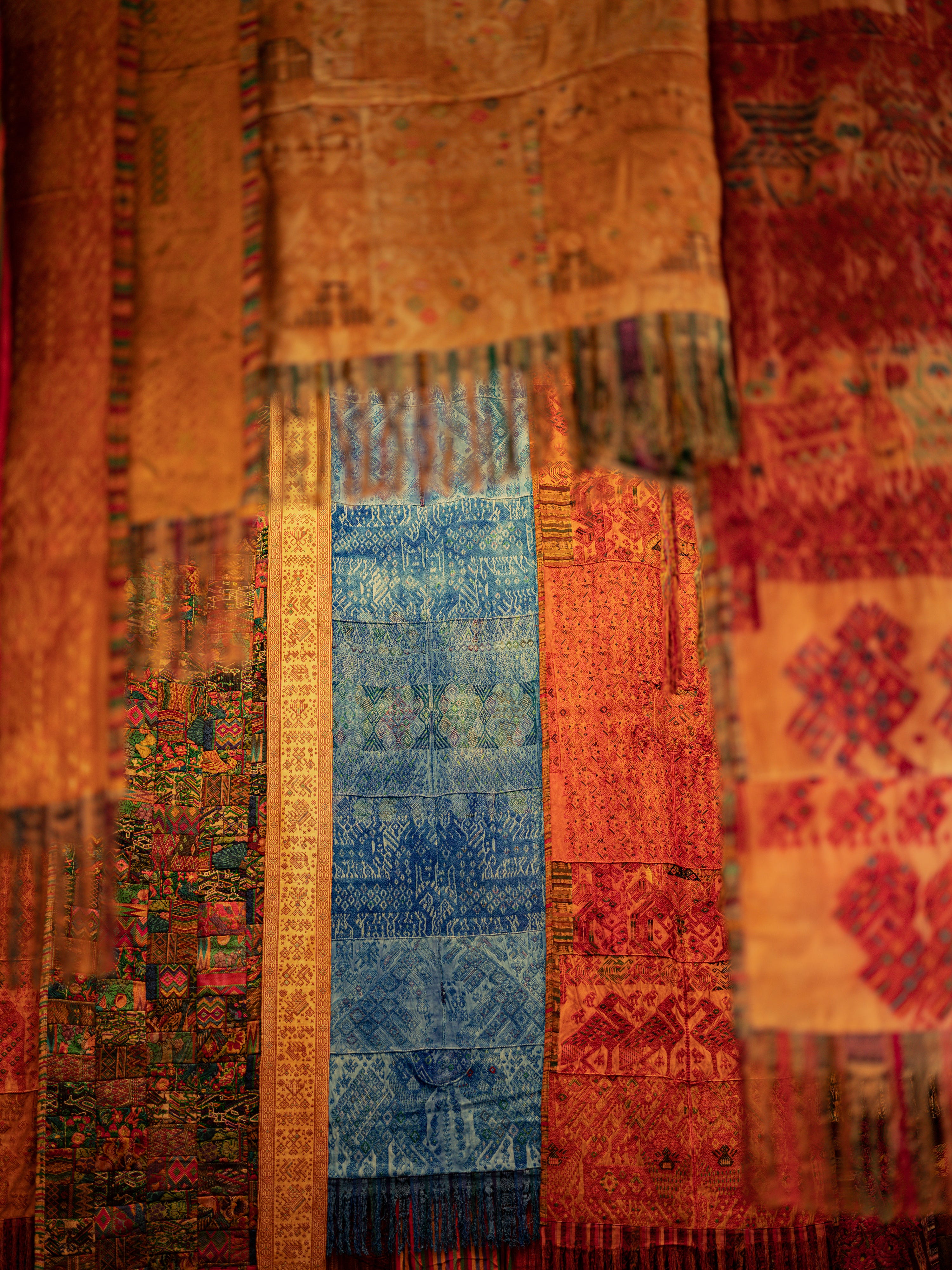
At the same time, I was noticing a growing interest in artisan-made pieces. I wondered whether there was a way to represent the beauty, quality, and integrity of Guatemalan textiles within the luxury interior design market. When I eventually traveled to rural Guatemala to experience weaving traditions firsthand it confirmed that this was work I wanted to pursue.
So then you launched RB Curated?
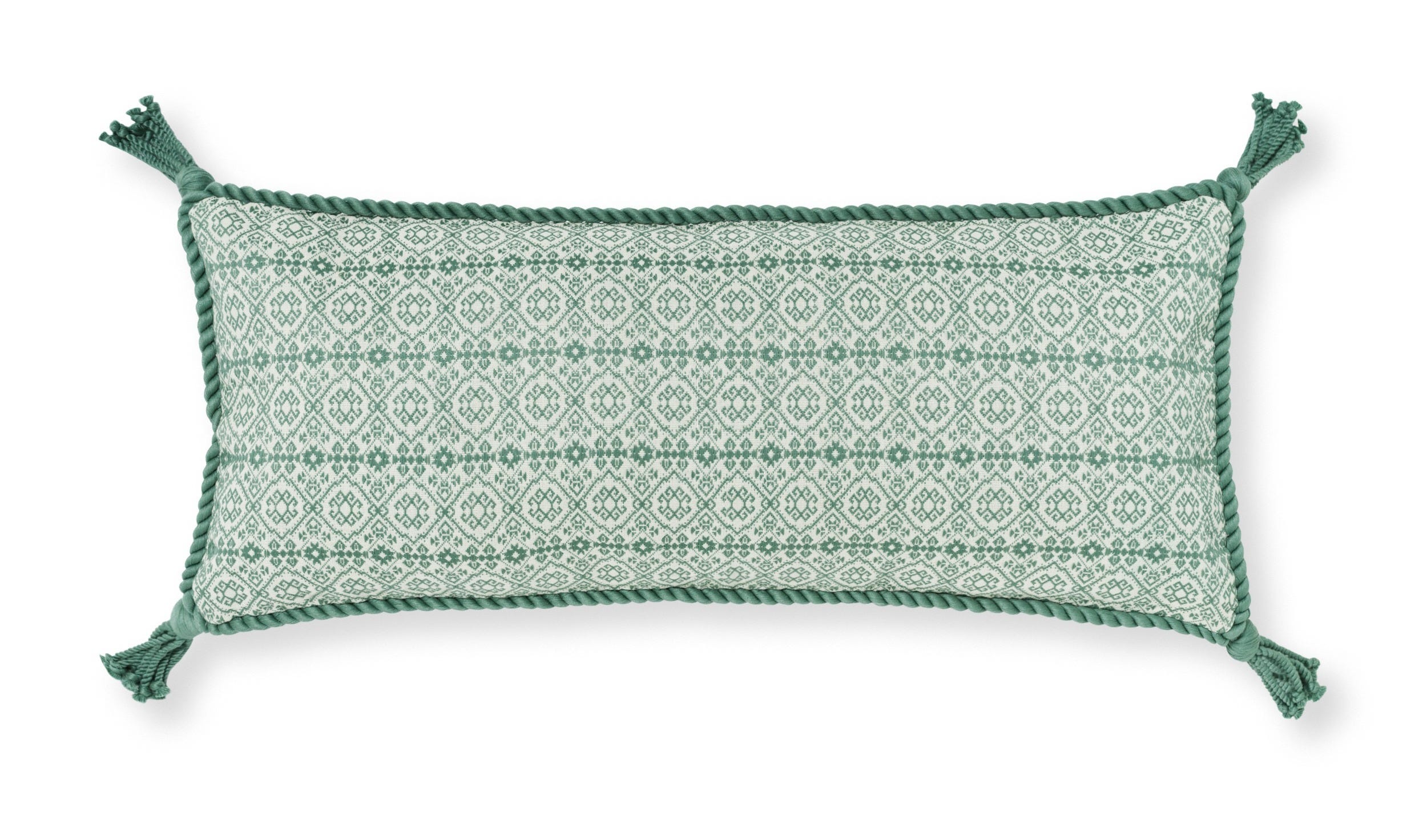
RB: RB Curated launched in 2025 as a purpose-driven, boutique interiors and lifestyle brand rooted in preservation, ethical partnership, and cultural integrity. We work directly with master weavers across Latin America to translate traditional techniques into limited-edition pieces. Through long-term, respectful relationships, we ensure artisans are fairly compensated and globally celebrated.
Why is Guatemala known for traditional crafts?
RB: Textiles and crafts are still deeply woven into daily life, identity, and community in Guatemala. Weaving isn’t treated as a hobby or a revived tradition; it’s a living practice passed down through generations. Each region, village, and family carries distinct techniques, patterns, and color stories that communicate ancestry, place, and worldview. For example, the huipil [a traditional tunic worn by Indigenous women, pronounced wee-peel] is not just a piece of clothing but a visual language. It’s cultural meaning keeps the tradition relevant and protected.
Where should I go to learn more about textiles?
RB: The small city of Antigua is an ideal starting point because of its 18th-century colonial history and walkable scale. Antigua’s shops, galleries, and markets feature textiles and crafts from many regions across Guatemala, offering a broad introduction to the country’s diverse weaving traditions, ceramics, and woodwork.
On the outskirts of Antigua, La Nueva Fábrica is a contemporary art gallery in a former textile factory. Its exhibitions highlight how contemporary artists engage with tradition, material, and place.
What other things can I see in Antigua?
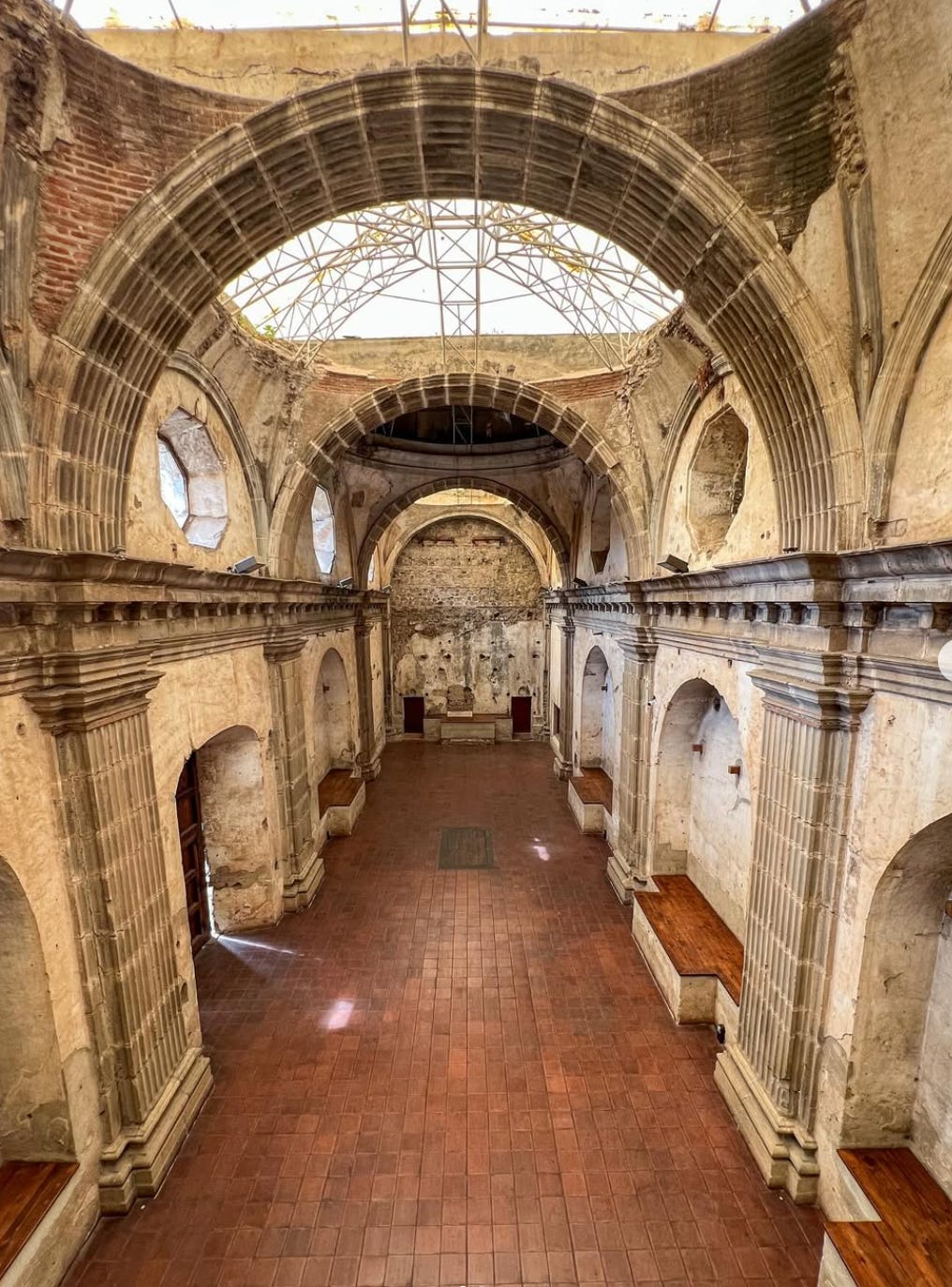
RB: Antigua’s history is layered, shaped by centuries of cultural exchange. Walk through some of its ruins, such as the 18th-century Convento de las Capuchinas, to get a visceral sense of scale and ritual. Climb up to Cerro de la Cruz for sweeping views of the city framed by volcanoes.
Where should I eat in Antigua?
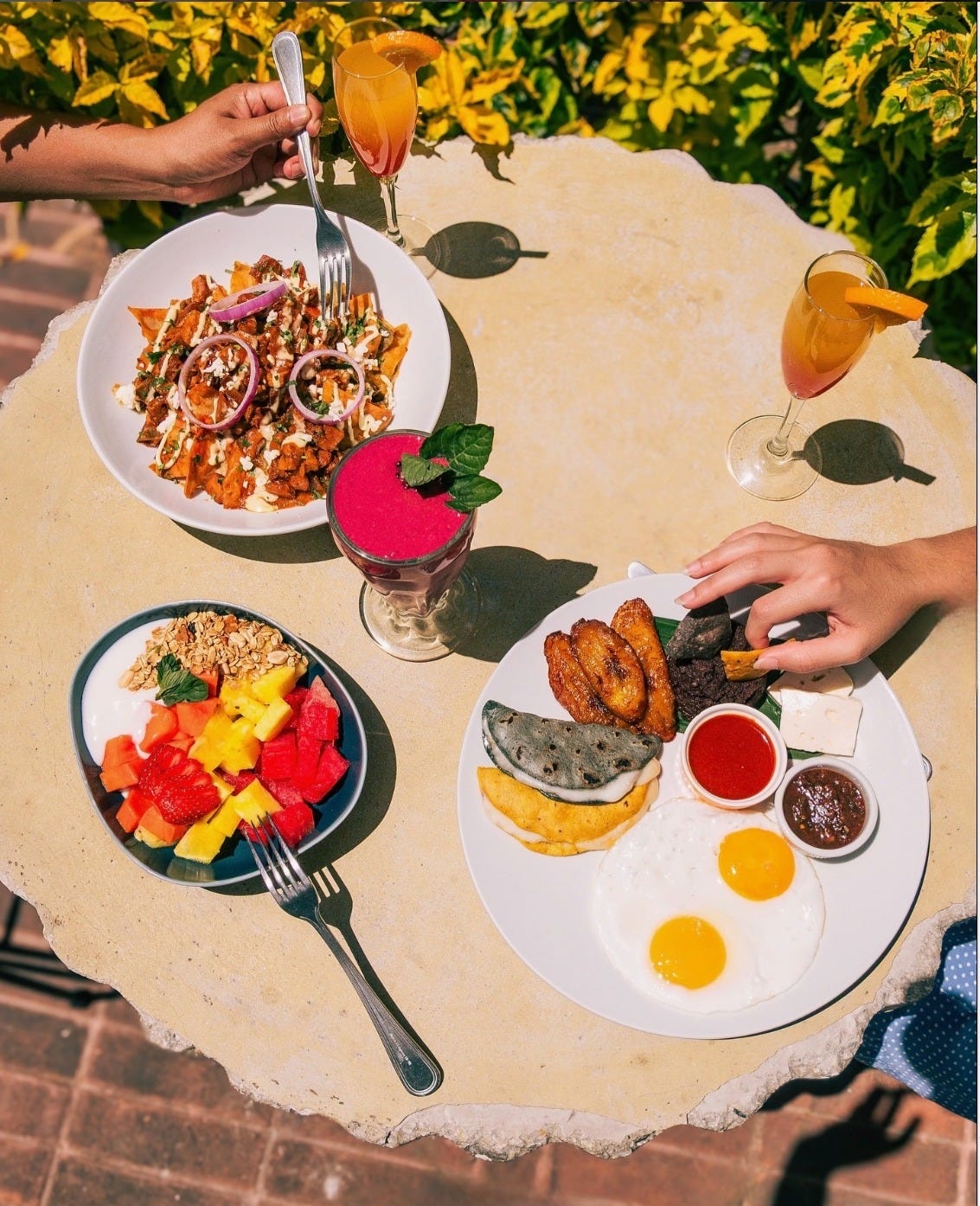
RB: For breakfast, go to Los Tres Tiempos for a desayuno chapín, a traditional, hearty breakfast usually including eggs, black beans, fried plantains, fresh cheese, tortillas, and sometimes avocado. Add fresh fruit—you won’t find a better-tasting papaya! For lunch, El Peroleto is a tucked-away, counter-only gem serving some of the freshest ceviche I’ve ever had. Grab a lemonada and don’t skip the homemade torta chilena [dulce de leche cake]. I love a mid-afternoon sweet snack, and Doña Luisa Xicotencatl is an Antigua institution for dense, moist, not overly sweet banana bread. For dinner, Por Qué No is intimate and softly lit, with a relaxed, bohemian feel. The food draws on Mediterranean and Latin influences.
What’s the one dish I need to eat in Guatemala?
RB: Pepián pepián is a stew, usually made with chicken or turkey, simmered in a sauce of roasted tomatoes, tomatillos, dried chiles, seeds, spices, and sometimes chocolate. The preparation reflects Guatemala’s layered culinary history, where Indigenous cooking techniques and ingredients intersect with Spanish influence.
Any favorite shops in Antigua?
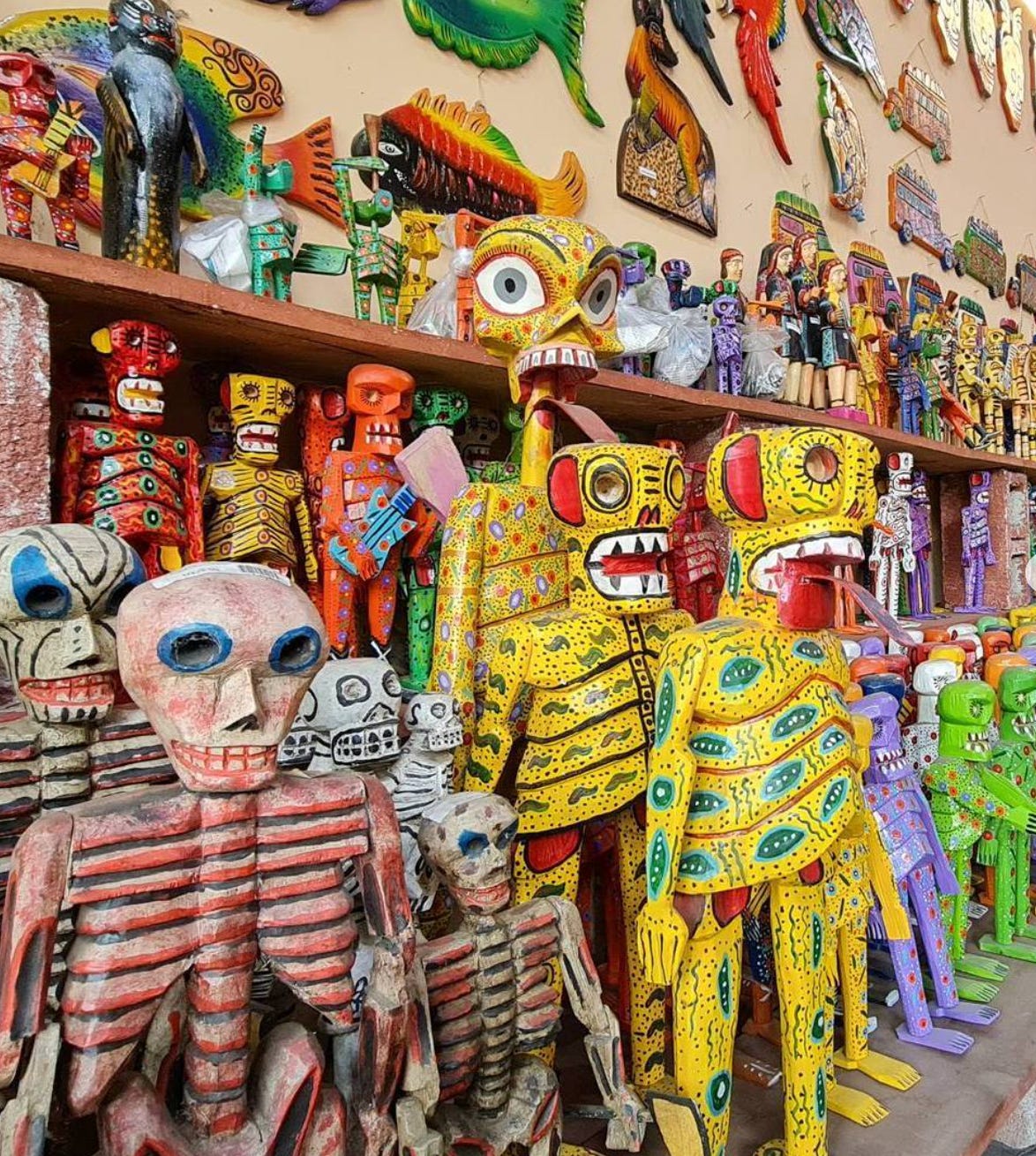
RB: Nim Po’t is a joyful, overflowing melting pot of Guatemala, packed floor-to-ceiling with textiles, ceramics, masks, toys, clothing, and jewelry. It’s a colorful collage of regions, techniques, and traditions. Xibalba Studio bridges craft, storytelling, and contemporary design. I buy their recycled gold and jade jewelry.
Any hotel recs in Antigua?
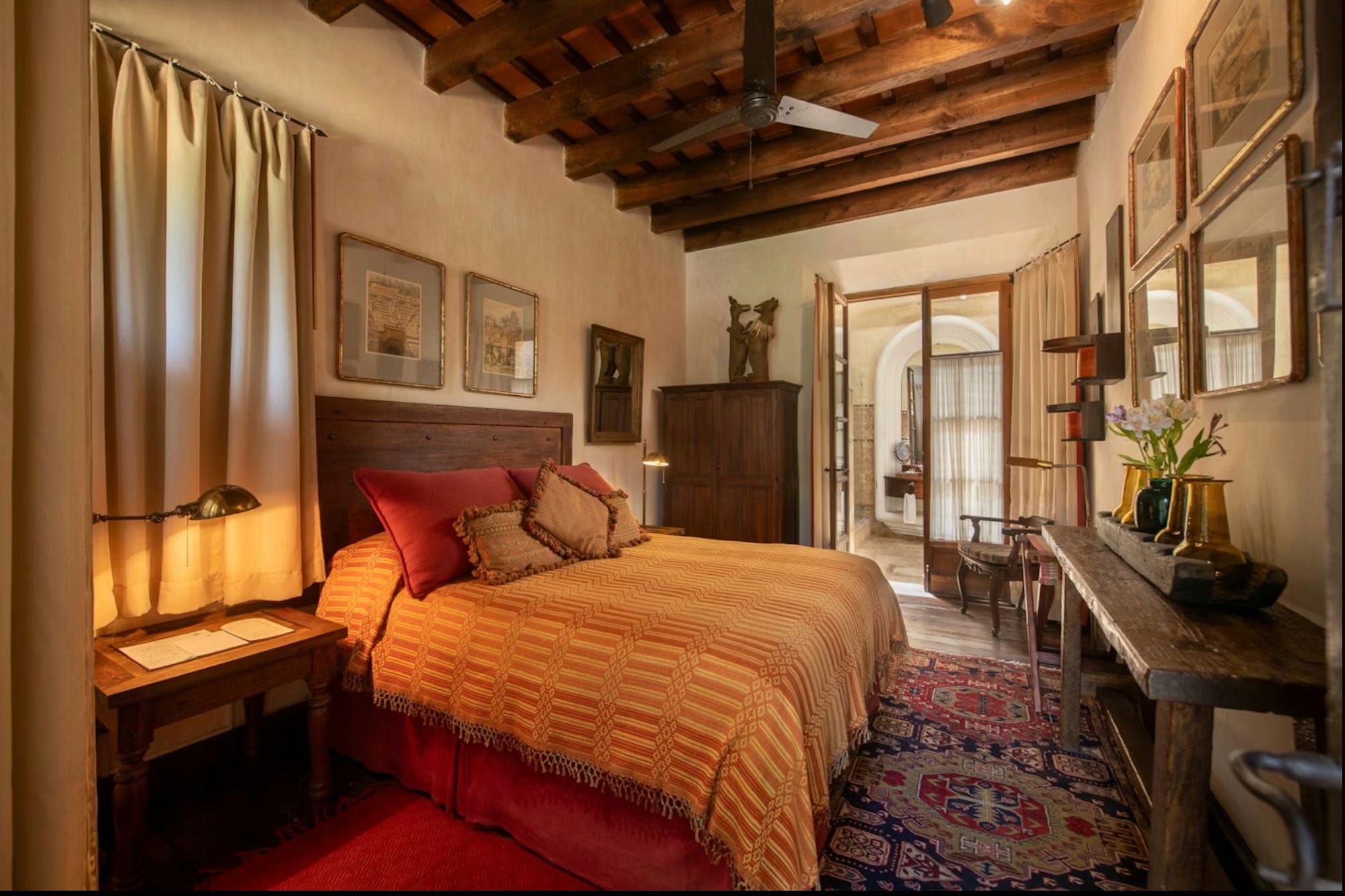
RB: Posada del Ángel is a seven-room boutique hotel in a restored Spanish colonial home on a quiet cobblestone street near the center of town—and my favorite coffee shop, Artista de Café. The traditionally styled rooms center around a cozy indoor-outdoor living space with a small dipping pool.
El Convento Boutique Hotel is housed in a former 18th-century convent where you can still feel the history in its thick stone walls and vaulted spaces. The interiors layer clean, modern design over the original colonial structure.
Aren’t there great volcano hikes near Antigua?
RB: Guatemala’s most iconic hikes center around volcanos. Near Antigua, you can mix big, awe-inducing climbs with quieter experiences that let you understand the land up close.
Volcán Acatenango is the quintessential Guatemala hike, physically demanding and best done as an overnight trek with an experienced local guide. From the summit, you watch neighboring Volcán de Fuego erupt in real time, a powerful reminder that this landscape is active, raw, and very much alive. A Volcán Pacaya hike will be shorter. Walking across hardened lava fields, feeling heat rise from the ground, and even toasting marshmallows over warm vents gives you an unforgettable, approachable introduction to Guatemala’s volcanic terrain.
And why should I visit Lake Atitlán?
RB: Lake Atitlán is a glacially formed lake a two- to four-hour drive from Antigua. While you’re there, take a boat around the water with a guide to see the various towns around the lake, since they all have different character.
Villages I like include Santa Catarina Palopó, known for bold, blue geometric patterns on both its textiles and buildings. Santiago Atitlán is famous for richly symbolic huipiles tied to Tz’utujil identity and cosmology.
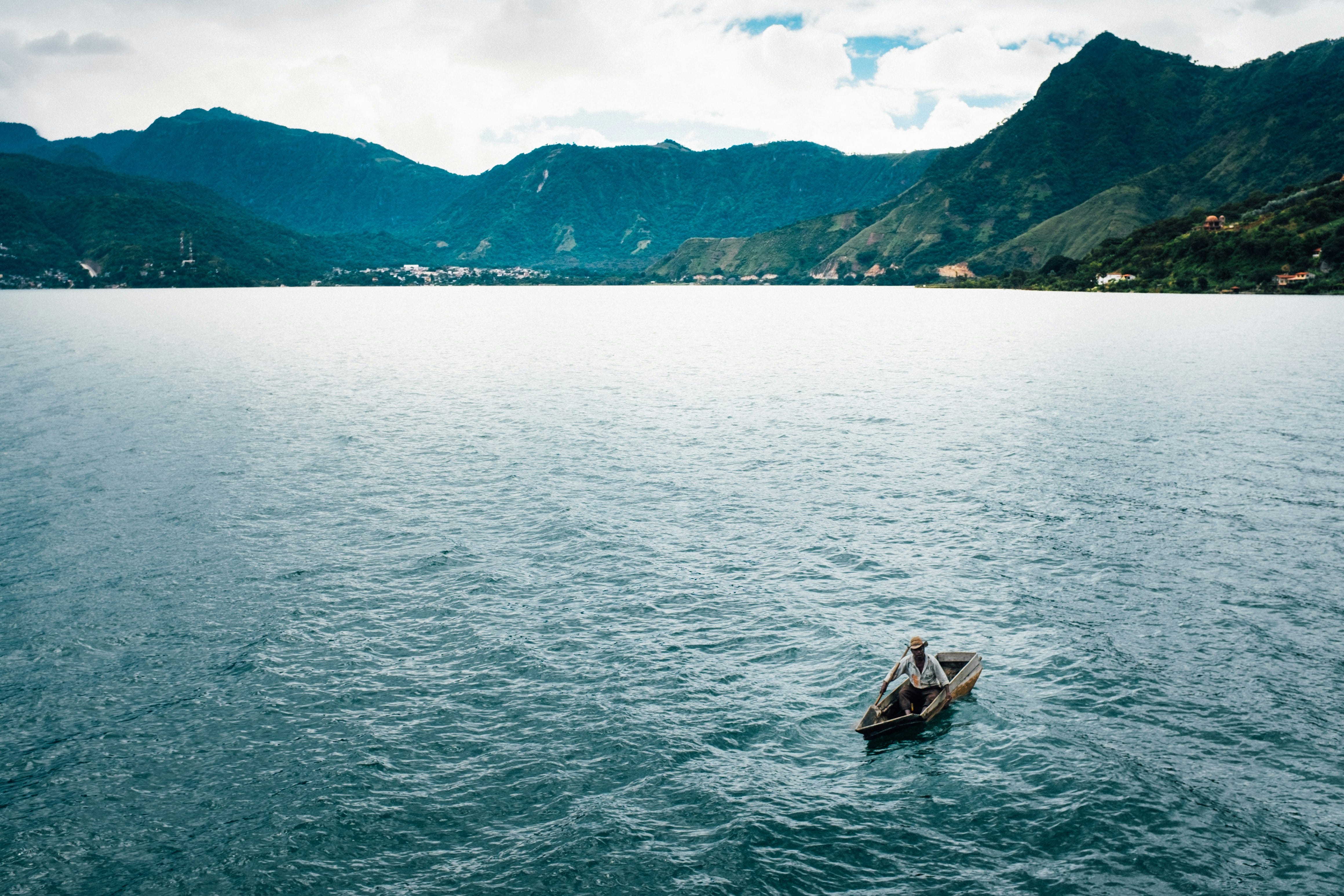
My favorite lake town is San Juan La Laguna. It is deeply rooted in textile traditions, particularly natural dyeing and backstrap weaving, with community-based cooperatives. While you are there, go to Utz Food, a bar and restaurant known for fish. You can also visit Asociacion Q’omaneel to learn about medicinal herbs or Casa Flor Ixaco Weaving Cooperative to see weavers at work.
At the lake, I like to stay at Hotel Atitlán just outside of Panajachel. It’s a traditional hacienda on the lakeshore with views of the water and surrounding volcanoes. Wake up early to enjoy the water view as light creeps up!
Chichicastenango Market isn’t far from Lake Atitlán. Why should I go?
RB: Chichicastenango Market is one of the largest, most important crafts markets in Central America. You can reach it from most villages around the lake. On Thursday and Sunday market days, it becomes a vivid, sometimes overwhelming cross-section of Guatemalan life. You’ll see an extraordinary range of textiles—huipiles, cortes, rebozos, and yards of fabric—representing many regions, techniques, and color stories.
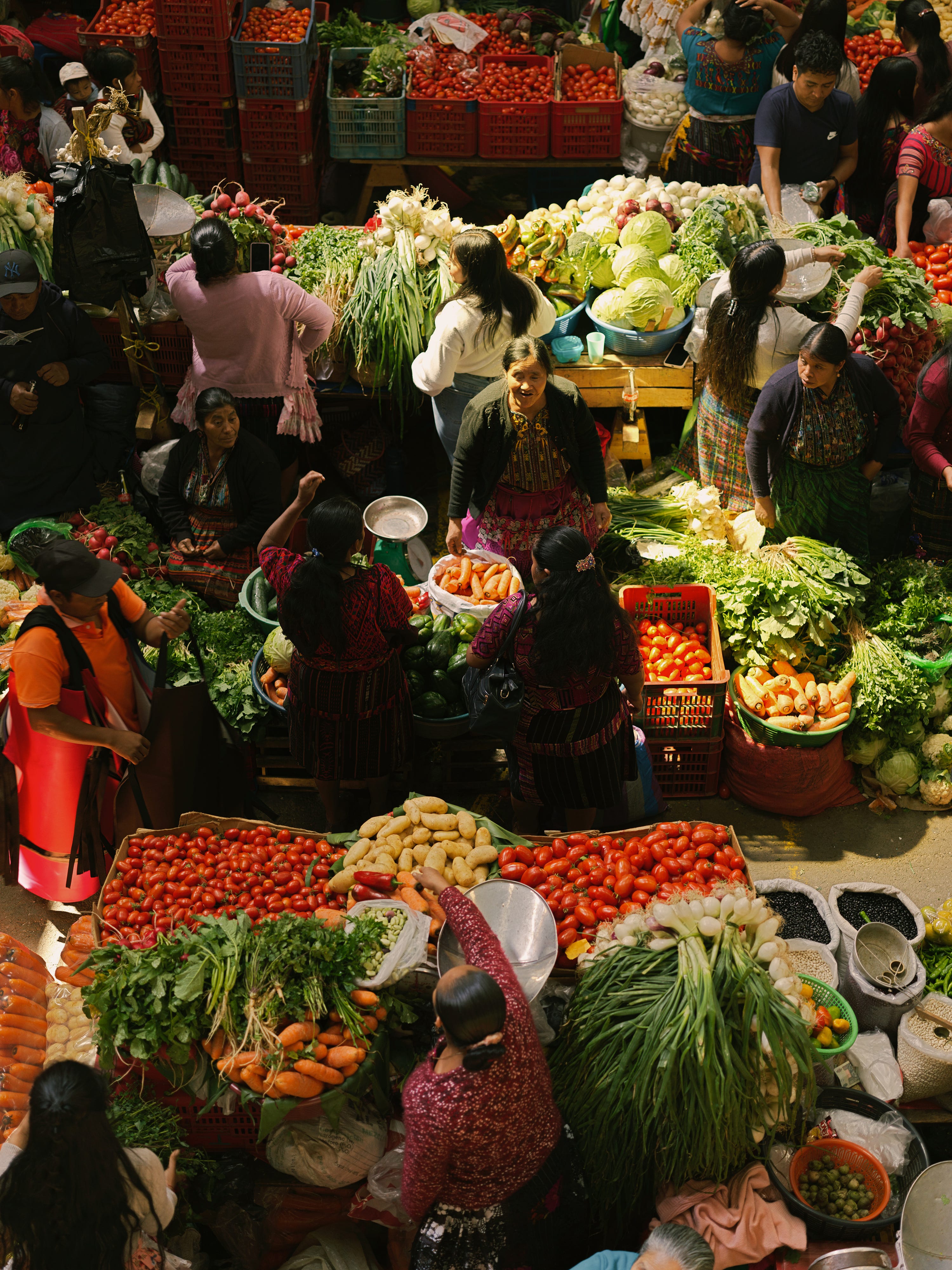
There are also other crafts (wooden masks, baskets, ceramics, candles) plus raw materials (yarns, dyes, weaving tools) reminding you this is a working market serving local communities, not just visitors. Food stalls offer fresh fruit, tamales, caldo, tortillas, and atole.
To visit Chichicastenango, hire a guide to handle logistics from the lake to the market and to help you navigate the market. They can help you find bathrooms and ATMs (many vendors only accept cash). Bruce Guatemala has excellent bilingual local guides.
What do you pack to wear in Guatemala?
RB: I’m very intentional about what I wear there and focus on comfort, since I’ll be walking, and moving between cities and more rugged or remote terrain. My style there is the opposite of influencer travel dressing. I’m there to observe and spend time in artisan communities, not perform the destination. I typically dress almost exclusively in black cotton or other natural fibers. It’s understated, modest, doesn’t show dust, and helps me blend in rather than stand out.
What’s the ultimate souvenir from Guatemala?
RB: A vintage huipil! It carries meaning far beyond aesthetics. Each huipil is a handwoven garment encoding identity, region, language, and lineage. The patterns, colors, and motifs communicate where the wearer is from and often reflect community history, cosmology, and daily life. It’s not decorative by accident, it’s by design.
Regan’s insider maps of Antigua
Below you’ll find more of Billingsley’s favorite places to eat and shop around Antigua. This content is for paid subscribers; upgrade to access it.
